📊 Quick Summary: 9 Essential Tools You Need to Begin Gardening
| Content Type | Guide |
| Last Updated | Thursday, May 14, 2026 |
| Fact-Checked By | Smart AI Gears Team |
| Best For | Beginner gardeners aiming to build a versatile, long-lasting, and simple foundation of basic tools . |
| What’s Great | Emphasizes high-quality, durable materials and versatility to save space and money over time . |
| What’s Not | Premium, heavy-duty tools require a higher upfront investment . |
| Buy If | You want a reliable, foundational set of essential gardening gear that will withstand years of use . |
| Avoid If | You prefer purchasing cheap, easily replaceable items or highly specialized equipment right away . |
| Available At | Amazon and local stores . |
Transparency & Editorial Policy
- Affiliate Disclosure: As an Amazon Associate, we earn from qualifying purchases at no extra cost to you. Prices and availability can change, so please verify the latest details on Amazon or the listed retailer before buying.
- Educational Guide: This is an informational guide created through research, editorial review, and practical knowledge. It is not a product hands-on review unless the article clearly states that a product was tested.
- AI & Media Usage: AI tools may be used for formatting, clarity, grammar, editing support, or image presentation. AI-generated or edited visuals should be treated as illustrations unless clearly labeled as original hands-on testing photos. Product claims, testing notes, research findings, and final recommendations are reviewed and controlled by our editorial process.
Picture this: you’re at the garden store surrounded by rows of shiny new tools, unsure of what matters. It’s easy to spend too much when buying your first setup. The essential tools for gardening keep things simple with versatility and durability in mind. Stick to the basics at first. As you figure out what works best for you, you’ll save both space and cash over time.
This guide will help you learn about 9 essential tools for gardening that handle most of the hard work—from planting seeds in the soil to taking care of your plants along the way. These basic tools are all you need to begin your gardening adventure.
Quality Gardening Gloves
Why They Matter and What to Look For
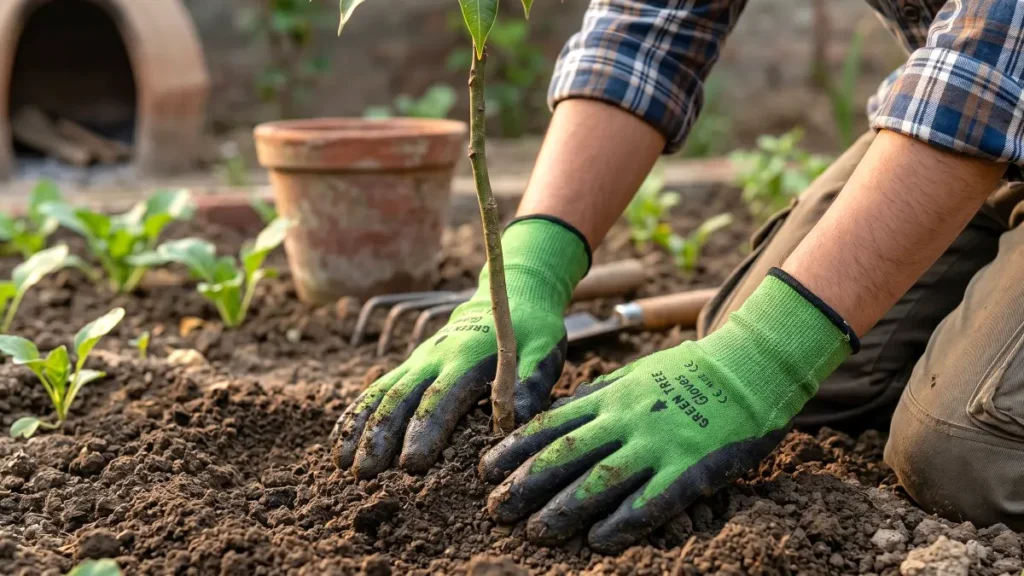
Gardening gloves keep you safe from common dangers while working outside. They protect your hands from insects painful blisters, and even risky plants like poison ivy. Choose gloves that resist punctures and water to block thorns and keep your hands dry. Look for ones with wrist straps you can adjust to stop dirt or debris from getting in. Flexible material on the back also helps your hands move as you work. Wearing the right gloves makes your hands less tired during long hours in the garden.
Choosing Materials to Match the Job
- Thick Leather: Great for heavy digging or cutting back thorny plants. They offer strong protection against punctures.
- Deerskin: Offers instant softness without needing to be broken in. They feel smooth and comfortable, though they might wear out sooner.
- Bamboo Fiber: Best for small tasks like weeding or repotting. They are breathable, dry fast, and still shield hands from light thorns.
- Nitrile-Coated Nylon: Feature sticky palms, making it very easy to grip and hold onto small hand tools.
- Cotton: Fine for light, dry jobs, but they won’t stop thorns or moisture unless they have added reinforcement.
Tips to Find the Right Fit
Check your hand size by measuring the width of your palm at the widest spot and the length from the base to the tip of your fingers. Small gloves fit hands with a 2.5-inch wide palm and 6.5-inch length. Medium gloves match 3-inch width and 7-inch length, while large gloves are made for 3.7-inch wide palms and 7.5-inch lengths. When in between sizes, pick your size based on width and go smaller. A proper glove fit helps with better safety, lowers fatigue, and makes the gloves last longer.

Must-Have Hand Trowel
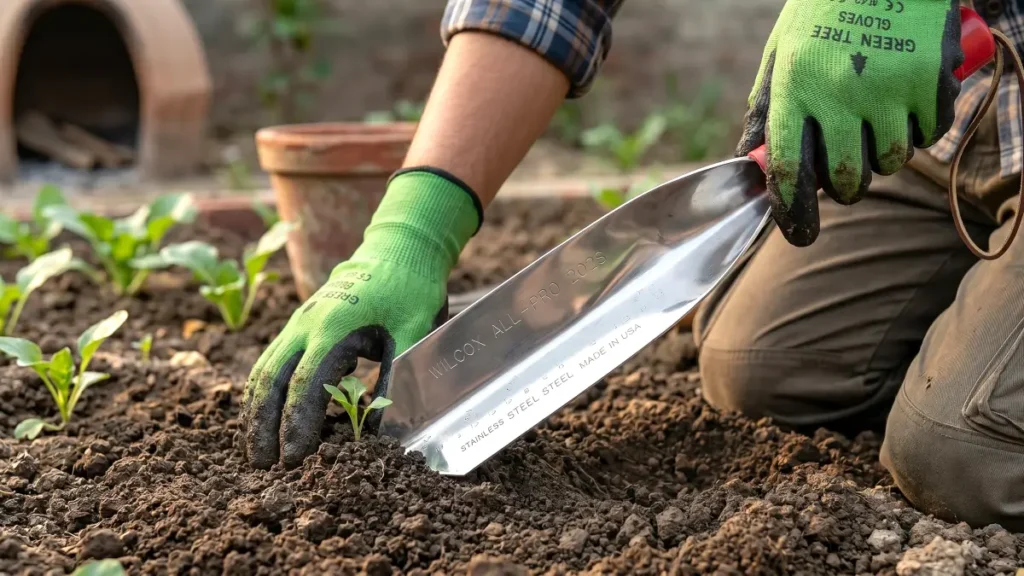
A hand trowel stands out as a must-have tool in every gardener’s toolkit. This small narrow scoop fits perfectly in your hand and is used to dig holes for transplants, pull out weeds, break apart peat moss bales, and fill containers with potting mix.
Why You Need This Tool
Trowels handle jobs that call for precision in small spaces where you kneel or sit. You can dig up and separate small perennials, plant bulbs at specific depths, and move soil . Its compact size gives you precise control that bigger tools just can’t offer.
Blade Shapes and How They Help
Different trowel blades work best for specific tasks. Wide blades 3 to 3.5 inches, are good at general digging and scooping up soil. Transplanting trowels have narrow blades about 2 inches across narrowing to 1 inch at the tip. They let you dig near plants without messing up roots. Bulb trowels are wider at the top, between 2 and 3 inches, and stretch up to 6 inches long. Their blades often include depth marks. Scoop-shaped blades are like spoons and handle soil scooping, while serrated edges make it easier to cut roots when splitting perennials.
Handle Comfort and Durability
Good tools make a big difference. Cheap stamped-steel trowels can bend on first use, but forged steel and cast aluminum hold their shape much better. Using a single-piece design helps stop the blade from coming loose, which often happens with two-piece tools. Pistol-grip handles shaped for comfort put less strain on hands compared to straight wooden ones. This design is helpful to reduce discomfort for gardeners dealing with arthritis. You should check for soft grips and even weight between 6 and 12 ounces when picking the right one.

Bypass Pruning Shears
Knowing the Difference Between Bypass and Anvil Pruners
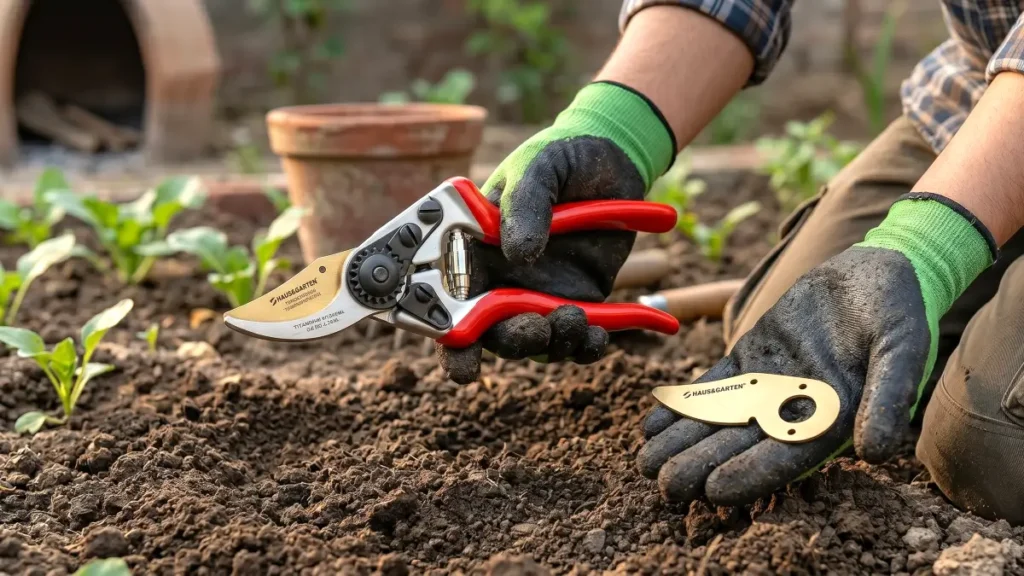
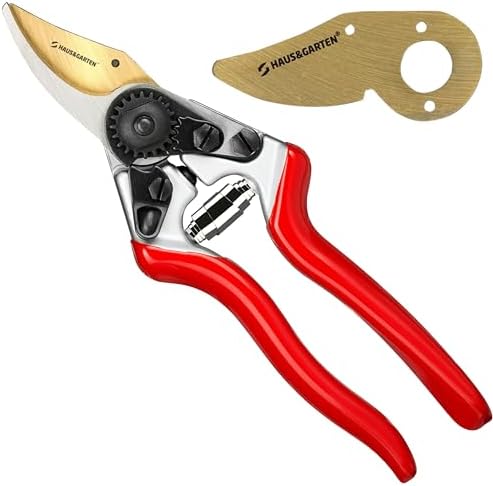
Bypass pruners work just like scissors. They use two curved blades that slide against each other and slice through stems. This design makes smooth cuts that cause less damage to plant cells. It protects the cambial layers and helps plants recover faster. This precision makes them great for pruning living plants like roses, shrubs young trees flowering plants, and green stems. These types heal after using bypass pruners.
On the other hand, anvil pruners operate more like knives pressing down on a cutting board. A single blade crushes the stem against a flat surface. This crushing action can hurt soft plant tissue making it more likely for diseases to spread. While anvil pruners are better for trimming dead wood most gardeners use pruners more often on live plants.
Sizing and Cutting Limits
Standard pruners handle cutting stems between 3/4 inch and 1 inch wide. Choosing the right tool for the job helps avoid damage to the tool and keeps plant tissue intact. Bypass pruners work for stems that are up to 1 inch thick. For materials between 1 and 1.5 inches thick, gear-assisted pruners are better. Loppers are necessary for branches thicker than 1.5 inches.
Replacement Parts and Lifespan
High-quality pruners built with replaceable parts last much longer than cheaper options. Felco provides full catalogs of spare parts so every piece can be swapped out, while ARS supports its tools with a 25-year guarantee. Over five years, spending $60 on a professional pruner ends up being more cost-effective than buying and tossing multiple $25 budget models that cannot be fixed.
Durable Garden Fork
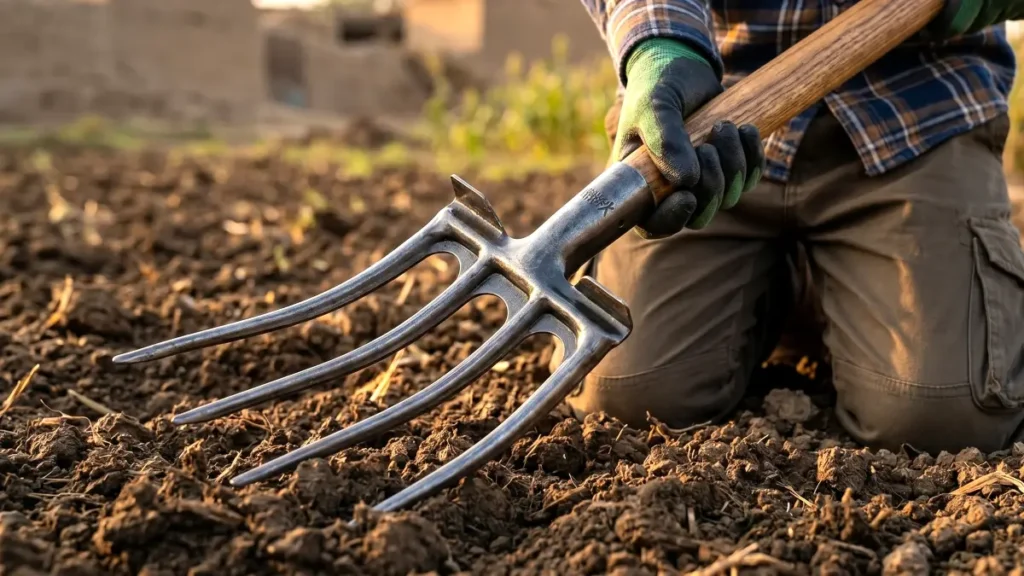
A garden fork helps break up and loosen soil without disrupting its structure. It makes compacted ground softer, mixes in compost, and improves drainage easier than most digging tools.
Loosening Up Soil and Preparing Ground
Tough soil softens up when you push a fork in and pull it out. This lets roots, air, and water get through more . Forks move and flip soil more than shovels do. They give you a better surface to plant on afterward. Their tines slip between big roots and rocks where spades can’t reach. To handle larger areas, broadforks with multiple tines work on beds without using gas-powered machines. These tools break up and lift soil while keeping helpful earthworm systems, bacteria, and fungi intact.
Tines: Their Design and Durability
Tapered square tines hold up against bending and break soil well. Their thickness plays a big role. Thin tines move through loose soil but might bend in tough ground. Thick tines handle dense areas better and last longer. Round tines dig in and lift soil without cutting through the layers. Forged tools are tougher than those made from several parts. Tools like hand-forged round tines won’t give in under heavy use.
Tips to Use It Right
Work the soil when it feels , not too wet or dry. Keep the fork standing upright and lean into the crossbar using your weight to press the tines. Tip the handle back just enough to loosen the soil without over-turning it.
All-Purpose Garden Hoe
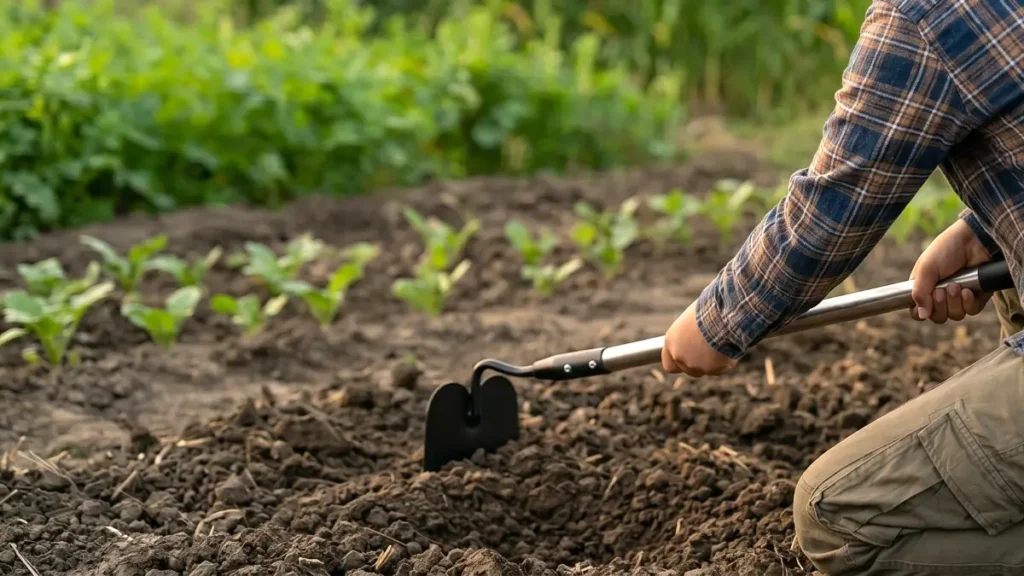
Garden hoes tackle three main jobs: weeding, digging, and cultivating. Picking the right style for the task can make your work faster and less tiring.
Hoe Styles to Handle Garden Chores
Weeding hoes use sharp angled blades to cut weeds or pull them out by working the upper layer of soil. Dutch hoes are great for this because their flat blades move back and forth just under the soil. Stirrup hoes have loop-style blades that move in a swinging motion and cut both when pushed and pulled. Collinear hoes come with slim, razor-sharp blades making them ideal for getting rid of weeds in tight spots between plants.
Cultivating hoes use tines pointing downward to dig into the soil, loosening, turning, and letting air in. Digging hoes have tough blades set at a right angle to the handle, which makes them great for cutting through soil and sod. Draw hoes stand out because their rectangular blades sit at a perfect 90-degree angle to the handle.
Ways to Weed
Weeding works best with good timing. Start and repeat often. Focus on weeds when their cotyledons appear, before their real leaves grow. Pick warm dry days to hoe so cut weeds dry out fast.
Choosing Handle Length Based on Your Height
The handle of your hoe needs to be long enough to reach somewhere between your armpit and shoulder. long-handled hoes come in lengths from 55 to 74 inches. Taller gardeners will benefit from the longest handles, but a 65-inch handle works well for those of average height.

Reliable Garden Rake
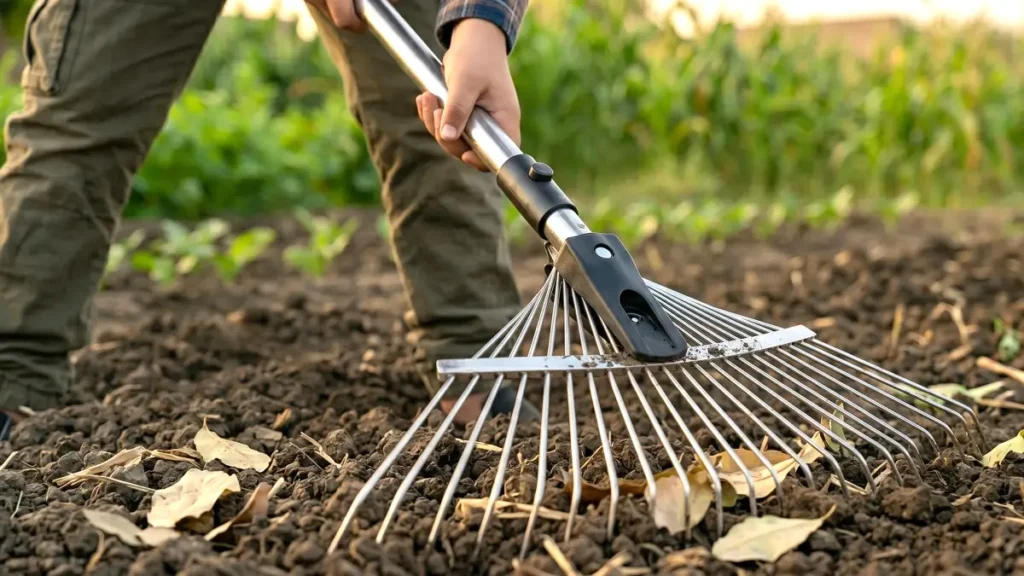
The material you pick makes a bigger difference in your rake’s performance than anything else. How long it lasts how heavy it feels, and what job it’s best for all depend on whether you go with metal or plastic tines.
Deciding on Metal or Plastic Tines
Metal rakes work better for tough jobs like shifting sand or rocks and getting garden soil ready. They might weigh more, but they give you better control. Metal tines also bounce back better, which helps cover bigger areas. With enamel-coated heads, they can resist rust too. On top of that, metal rakes can clean up around shrubs and flowerbeds better without pulling up the important lawn thatch.
Plastic rakes work well to gather leaves and tidy up lawns without harming the plants. Most are between 15 and 30 inches wide and often weigh 1.5 to 3 pounds. Polyresin options offer a good mix of strength and bendability compared to regular plastic rakes. However plastic tines might snap or get brittle if left outside too long.
Adjustable and Fixed-Width Rakes
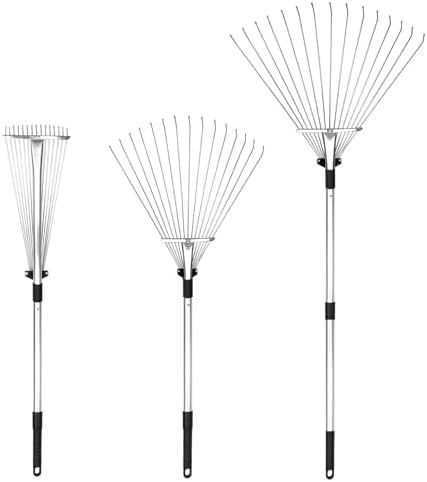
Adjustable rakes let you switch between broad sweeping and more focused tasks in small or tricky spots. A flip cam lock holds the width in place. Fixed-width rakes are easier to handle but come with fewer options.
Year-Round Seasonal Tasks
Spring cleaning needs metal rakes. These help scrape away clumped-up leaves in tight corners and scoop up debris on concrete. For fall wide plastic rakes work better since they cover more ground and don’t rip up the grass.
Pick a handle that’s between your armpit and shoulder height. This helps you work without hunching over.
Heavy-Duty Spade
Spend More for Quality Digging Tools
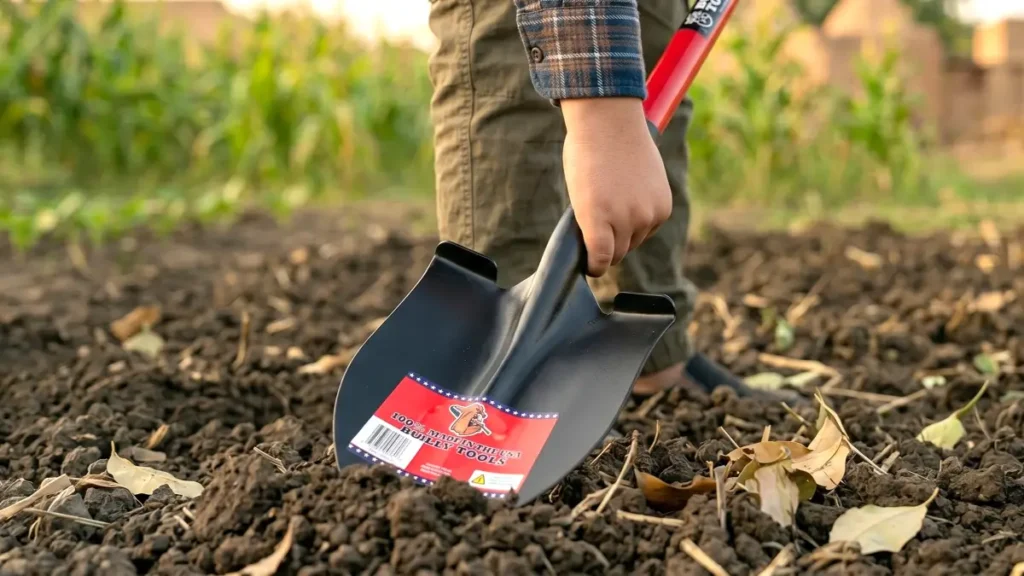
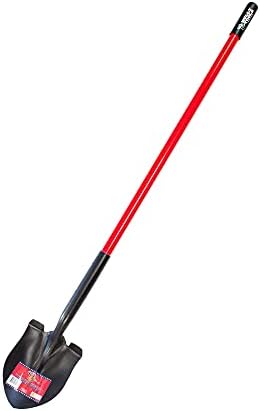
Around 75% of gardeners focus on buying good tools instead of choosing cheaper ones. Tools that last can save money in the long run. Heavy-duty spades cost anywhere from $30 to $70. They are more solid, perform better, and can last for decades. Spending a bit extra upfront reduces how often you’ll need to replace or fix them.
Blade Materials and How Well They Keep an Edge
Carbon steel blades stay sharp longer and are strong making them easy to resharpen when dull. Forging forms the metal into one solid piece running straight from the blade to the socket, which lowers the chances of it breaking. But carbon steel rusts fast if not cared for and feels heavier than other options.
Stainless steel fights off rust and is simple to clean since dirt doesn’t stick much. Its shiny surface slices through clay. On the downside stainless steel handles weigh more and are always welded to the socket. This design makes the welded part weaker and more likely to break under stress.
Using the Correct Technique to Stay Safe
Stay near your spade to maintain better control. Press one foot onto the spade and let your body weight push it into the soil. Keep your knees bent so they handle the weight instead of straining your back. Make steady repeated movements focusing on bending your knees more than your back. Try not to overreach, twist your hips, or lean too far forward.
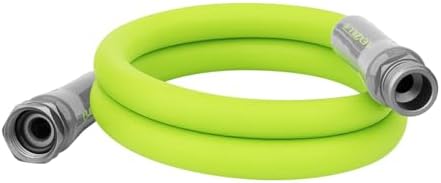
Watering Tools: Hose and Accessories
Choosing Durable Hose Materials
- Vinyl Hoses: The lightest and most budget-friendly, but they stiffen in the cold and usually only last one or two seasons.
- Rubber Hoses: Highly durable and can last over ten years, but they are significantly heavier to drag around.
- Hybrid Polymer: Strikes a nice balance. It has the tough nature of rubber while being 25-35% lighter. These hoses can handle up to 150 PSI working pressure and 600 PSI burst pressure.
Pro Tip: Look for swivel fittings to help stop kinks by letting the hose twist at connection points instead of bending sharply.
Key Features in a Nozzle
Thumb-control nozzles last much longer than trigger-grip ones. A thumb valve uses a reliable ball valve design similar to the kind used in home plumbing, while trigger nozzles depend on plunger valves that break more . Trigger nozzles often stop working within two years, but thumb-control options are known to hold up better. Check for options with eight spray patterns like jet full, shower, and mist.
Quick Connects and Extensions
Flow-stop couplers shut off water when disconnected so you avoid messy spray. Brass material with a 3/4-inch full-flow interior keeps performance at its best. Push-click locking pins let you know with a click that the seal is tight. A sliding sleeve makes it easy to disconnect with just one hand in a few seconds.
Garden Cart or Wheelbarrow
Deciding How Much You Need to Haul
Picking between a garden cart and a wheelbarrow comes down to what you’re moving most often. Garden carts can carry heavier loads and larger amounts, with some models hauling up to 1200 lbs. Their four wheels keep things stable and distribute weight , which makes long jobs easier on the user. Wheelbarrows, on the other hand top out at around 100kg. They shine in tighter spaces where their single wheel lets you steer through narrow pathways or around shrubs without packing the soil too much. Carts are better when you’re hauling heavy stuff like rocks or cement. But if you’re taking smaller lighter trips through tight spots, a wheelbarrow is the way to go.
Materials Used and How Long They Last
Steel construction has the toughness to handle heavy materials. It needs upkeep to stop rust in wet places. Plastic or polyethylene alternatives are lighter and don’t rust. But plastic gets weak from sunlight or cold and can crack when carrying heavy loads. To make plastic models last longer, keep them indoors or protect them from the elements. Steel wheelbarrows are more durable but need regular cleaning and a coat of rust-proof paint to stay in good shape.
Inflatable vs Solid Tire Pros
Pneumatic tires handle bumps better and increase traction on uneven ground. They make rides smoother but need air pressure checks and fixing when punctured. Solid rubber or foam-filled tires avoid flat tire issues and don’t need any upkeep. Since these tires use heavy materials, they can handle big loads without bending. However, they absorb less shock and are heavier.

9 Essential Tools for Gardening
| Tool | Primary Use / Purpose | Key Features | Material Choices | Important Details | Price Range / Investment |
|---|---|---|---|---|---|
| Quality Gardening Gloves | Protects hands from blisters, thorns, bugs, and poison ivy. | Puncture resistance, moisture protection, adjustable wrist straps, flexible back design. | Thick leather, deerskin, bamboo fiber, nitrile-coated nylon, cotton. | Proper sizing matters. Small: 2.5″ width / 6.5″ length, Medium: 3″ / 7″, Large: 3.7″ / 7″. | Affordable to premium depending on material quality. |
| Essential Hand Trowel | Digging transplant holes, scooping soil, removing weeds. | Compact size, precise control, optional depth markings. | Forged steel, cast aluminum, stamped steel. | One-piece designs last longer. Average weight ranges between 6–12 ounces. | Budget-friendly to professional-grade options available. |
| Bypass Pruning Shears | Trimming live plants, roses, shrubs, flowers, and soft stems. | Clean cuts, replaceable parts, durable blades, gear-assisted options. | High-carbon steel blades with ergonomic grips. | Handles stems up to 0.75–1 inch thick. Some premium models include 25-year warranties. | $25 to $60+ depending on quality. |
| Sturdy Garden Fork | Aerates soil, mixes compost, loosens compact dirt. | Strong tines, better leverage, preserves soil structure. | Forged steel, hand-forged round tines. | Works best in moist soil. Lean body weight onto the crossbar for extra power. | Mid-range to premium investment. |
| Versatile Garden Hoe | Weeding, cultivating, and digging. | Dutch, stirrup, collinear, and draw hoe designs. | Steel blades with wood or fiberglass handles. | Handle length should reach between shoulder and armpit for comfort. | Affordable to professional pricing. |
| Reliable Garden Rake | Prepares soil, clears debris, collects leaves. | Flexible tines, rust resistance, lightweight handling. | Metal, plastic, polyresin. | Metal works better for gravel and soil. Plastic is gentler on lawns. | Low to medium cost depending on build quality. |
| Heavy-Duty Spade | Digging, edging, cutting roots and soil. | Sharp edge, strong leverage, re-sharpenable blade. | Carbon steel, stainless steel. | Use bent knees to avoid back strain. Carbon steel holds edges better but may rust. | High-quality models range between $30–$70. |
| Watering Tools: Hose & Accessories | Watering plants, lawns, and gardens. | Swivel fittings, thumb-control nozzles, multiple spray patterns. | Vinyl, rubber, hybrid polymer, brass fittings. | Hybrid hoses are lighter and durable. Brass fittings resist leaks better. | Wide pricing range depending on hose quality. |
| Garden Cart or Wheelbarrow | Moving soil, tools, plants, and heavy materials. | High carrying capacity, stability, maneuverability. | Steel, plastic, polyethylene, pneumatic or solid tires. | Solid tires stay maintenance-free. Plastic models should be stored indoors. | Basic to heavy-duty professional investments. |
Conclusion
You don’t need to spend a ton of money or cram your shed with fancy tools to put together a useful garden kit. Keep it simple with these 9 must-have tools, and aim to pick sturdy ones rather than just buying a lot. The chart shows how buying reliable gear can save you cash later. Get started with the essentials, figure out what fits your garden’s needs best, and gather more tools as you need them. With just these basics, your plants will do great.